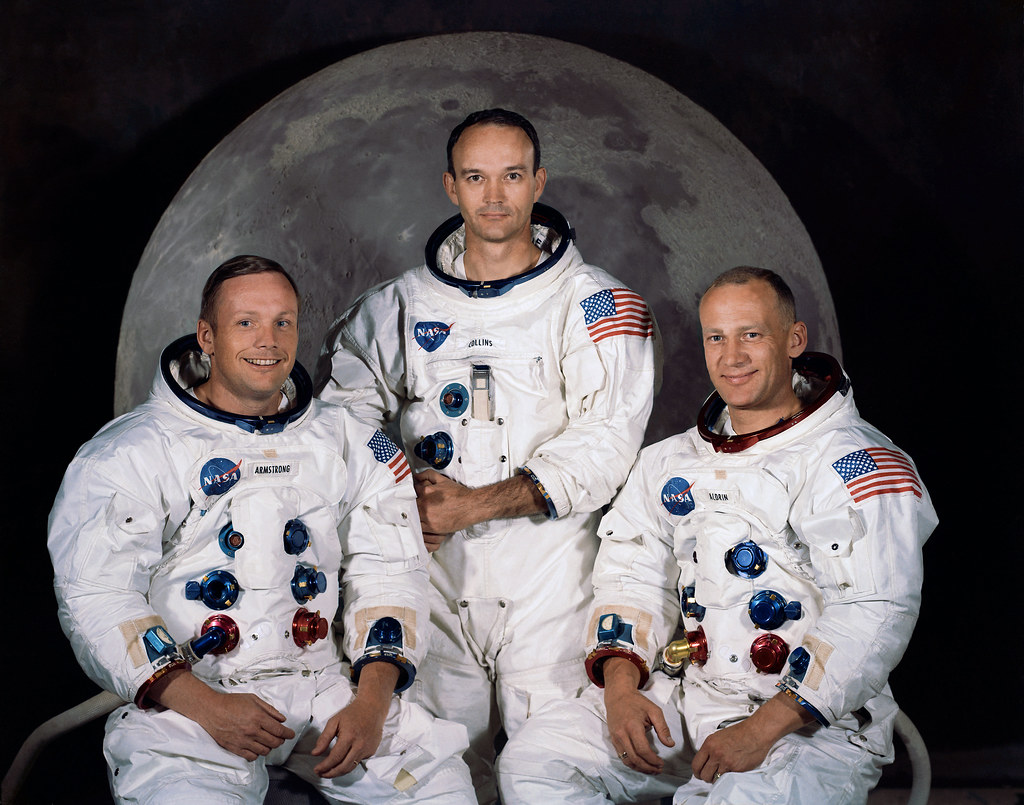
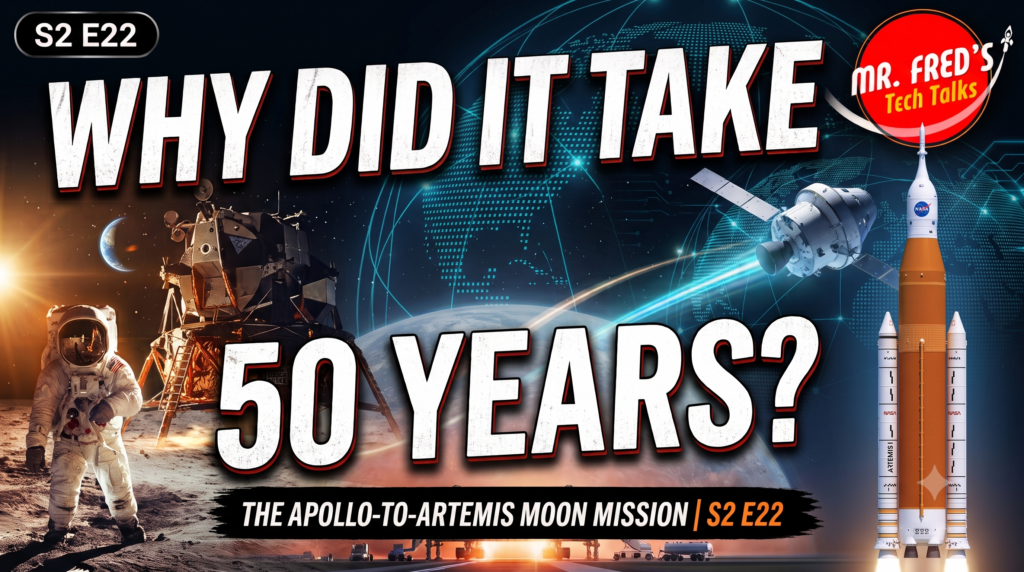
On July 20, 1969, humans landed on the Moon.
And then, just a few years later…we stopped going.
More than 50 years passed before humans traveled around the Moon again.
Why?
Did we forget how? Did the technology disappear? And if we could reach the Moon using computers from the 1960s, why did it take more than half a century to go back?
As I say in this episode:
We knew where the Moon was. We had to rebuild the road.
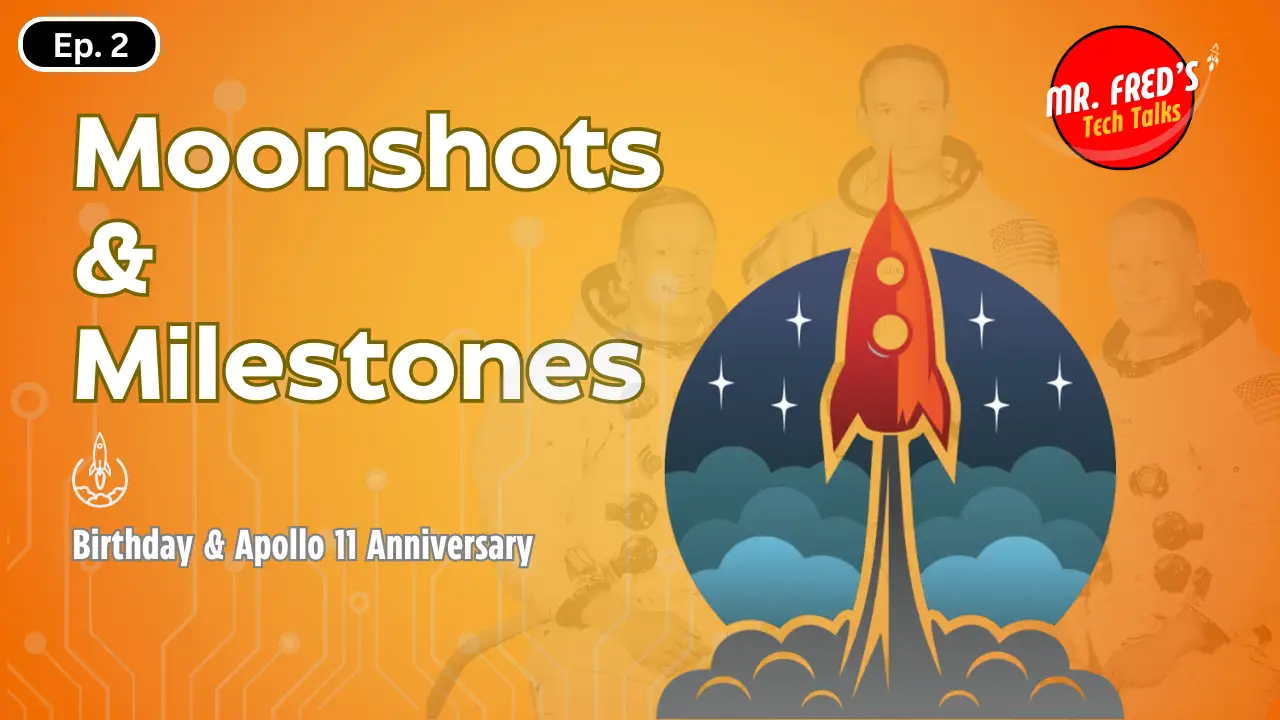
In this episode of Mr. Fred’s Tech Talks, we connect the historic Apollo missions with NASA’s modern Artemis program and explore how one generation’s giant leap can become the starting point for the next.
And there’s another reason July 20 is special around here.
It’s my birthday!
So, as I complete another trip around the Sun, we’re looking back at Apollo, looking forward with Artemis, and asking a bigger question:
When you accomplish something extraordinary, how do you take the next giant leap?
In This Episode
We explore:
- Why humans stopped traveling to the Moon after the Apollo program
- Why returning wasn’t as simple as pulling out the old Apollo blueprints
- How the goals of Apollo and Artemis are different
- What Artemis II accomplished
- Why Artemis III is an important step in the journey
- How future Artemis missions could return humans to the lunar surface
- What space exploration can teach kids about coding, engineering, testing, and iteration
- Why progress often means building on the work of those who came before us
Why Did It Take More Than 50 Years?
One of the questions I wanted to explore in this episode is surprisingly simple:
If we landed humans on the Moon in 1969, why did it take so long to send people there again?
The answer isn’t that we forgot how.
Apollo was created for a particular moment in history and supported by an enormous national effort. Once the program ended, the rockets stopped being built, supply chains changed, specialized teams moved on, and America’s space priorities shifted.
Returning to the Moon meant building new spacecraft, systems, partnerships, and infrastructure for a different kind of mission.
We knew where the Moon was. We had to rebuild the road.
From Apollo to Artemis
Apollo proved humans could reach and walk on the Moon.
Artemis is building on that legacy with a broader goal: developing the capabilities needed for continued human exploration of the Moon and eventually missions even farther into space.
But the journey happens one step at a time.
Artemis I tested Orion without a crew.
Artemis II carried humans around the Moon again.
Artemis III will test another critical piece of the mission.
And each step helps build toward humans eventually walking on the lunar surface again.
It’s a powerful reminder that the achievement everyone remembers is often made possible by years of testing, experimenting, learning, and improving.
That’s true in space exploration.
And it’s true in coding.
A Connection to Coding
When kids learn to code, they often want to jump directly to the finished product.
The completed game.
The working robot.
The cool animation.
But before you get there, you test.
You experiment.
You connect one component to another.
Sometimes something works.
Then you add something new…and suddenly it doesn’t.
So you learn.
You adjust.
And you try again.
The giant leap may be the moment everyone sees.
But it’s all those smaller steps that make the giant leap possible.
Tech Challenge: Carry the Mission Forward
For this episode’s Tech Challenge, choose one piece of technology.
It could be a:
- Computer
- Video game console
- Robot
- Smartphone
- Car
- Spacecraft
- Or even a LEGO creation
Find an earlier version of it and ask:
What problem did it solve?
What couldn’t it do?
Then look at the version we have today.
What changed?
What improved?
Finally, imagine the next version.
What would you change?
What would you add?
What problem could you solve that the people who created the original never imagined?
Draw it. Build it. Write about it.
Or maybe…code it.
Because innovation isn’t always about starting from zero.
Sometimes it’s about understanding what someone else built and carrying the mission forward.
Go Deeper: Apollo 11 and the Technology Behind the Moon Landing
Longtime listeners may remember Season 1, Episode 2 of Mr. Fred’s Tech Talks, where we explored some of the technology that helped Apollo 11 reach the Moon.
You can also go deeper into one of my favorite Apollo technology stories: the famous 1202 program alarm that appeared as Neil Armstrong and Buzz Aldrin were descending toward the lunar surface.
Watch: Error Code 1202 Explained
During the Apollo 11 landing, the guidance computer suddenly began displaying program alarms.
What did they mean?
Why was the computer overloaded?
And how did Mission Control determine that the astronauts could safely continue the landing?
Watch my YouTube video: Error Code 1202 Explained
Read: The Apollo 11 Software – 4 Things You Probably Didn’t Know
Want to learn more about the Apollo Guidance Computer and the software behind the mission?
Read the GetMeCoding article:
The Apollo 11 Software: 4 Things You Probably Didn’t Know
What’s Your Next Giant Leap?
Every July 20, I get to celebrate the anniversary of Apollo 11…and another trip around the Sun.
My birthday.
And birthdays, like great missions, give us an opportunity to look back at how far we’ve come.
But maybe the more interesting question is:
Where are we going next?
Apollo passed something to Artemis.
Teachers pass something to students.
Parents pass something to their children.
And each generation gets the opportunity to take what it inherited, learn from it, improve it, and carry it a little farther.
Keep learning.
Keep tinkering.
Keep exploring.
And keep asking…
What’s the next giant leap?